Sep 21, 2026Mold Monitor System
What Is a Mold Watcher? How Vision Systems Prevent Mold Damage
Learn how a mold watcher detects stuck parts, incomplete ejection and misplaced inserts to help prevent mold damage in injection molding.
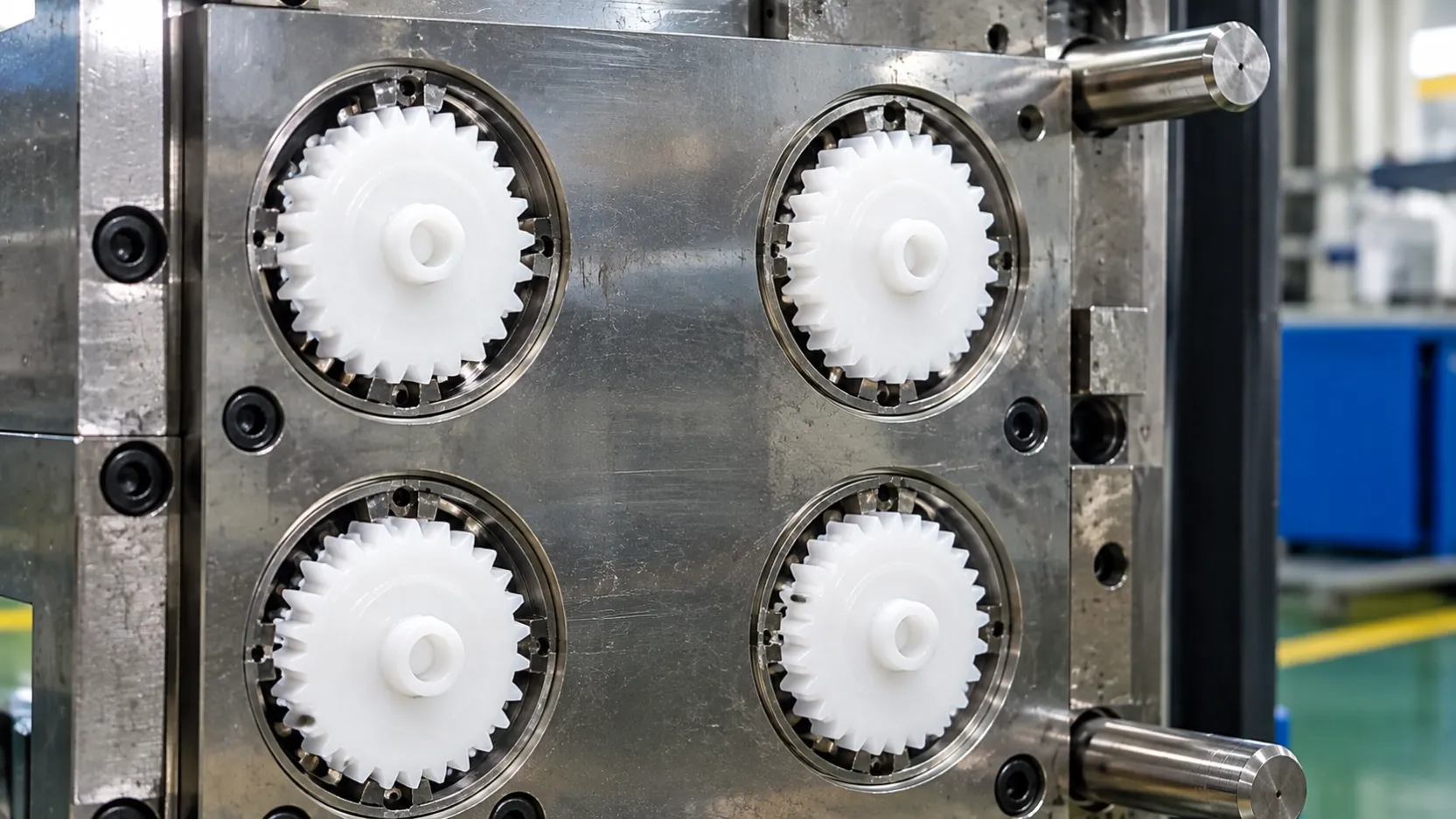
In injection molding, a molded part that remains inside the mold for just one extra cycle can cause serious damage when the mold closes again.
A mold watcher is a vision-based monitoring system designed to check the mold condition during the injection molding cycle and prevent the machine from continuing when an abnormal condition is detected.
Similar systems may also be referred to as a mold protection system, mold monitor, mold monitoring system, or mold protection camera.
Although the terminology varies between manufacturers and regions, the main purpose is the same: detect abnormal mold conditions before they cause mold damage or production problems.
How Does a Mold Watcher Work?
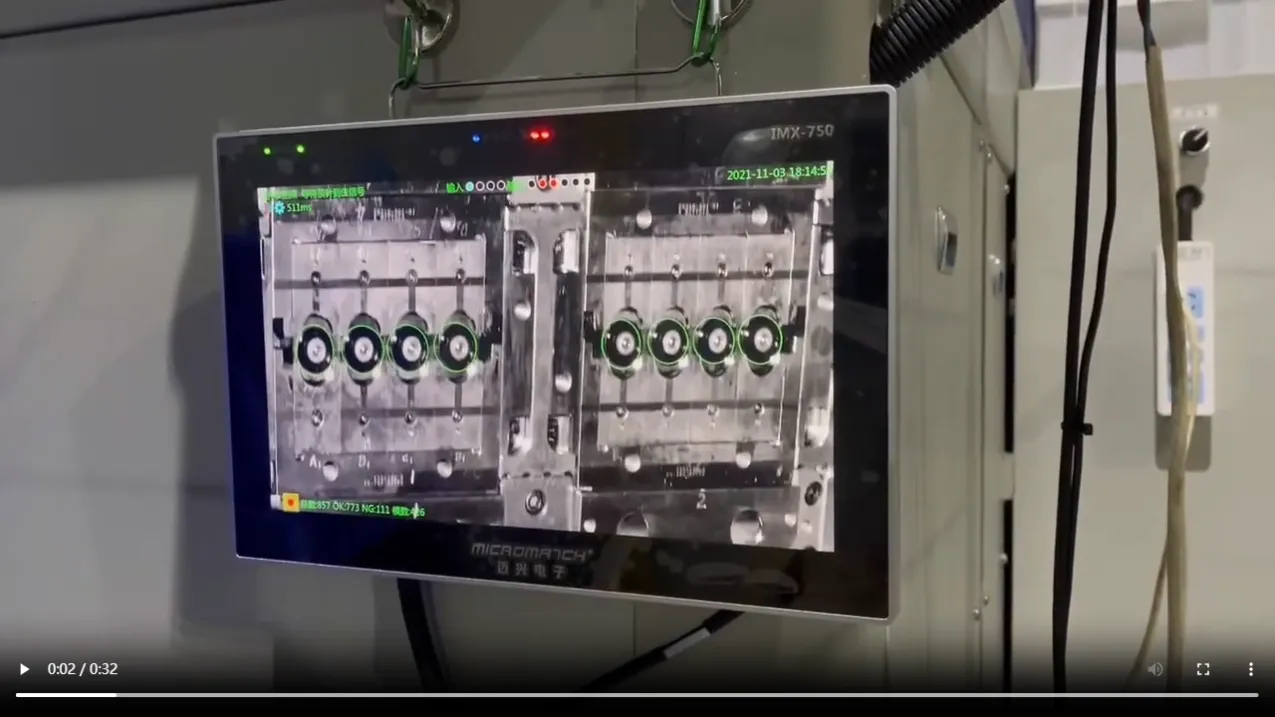
A mold watcher uses one or more industrial cameras installed around the injection molding machine.
The cameras capture images at specific stages of the molding cycle. The system compares the actual image with the expected mold condition and checks selected inspection areas.
A typical sequence is:
- The mold opens.
- The camera captures an image of the molded parts and mold condition.
- The ejector operates and the parts are removed.
- A second image confirms that the cavities are clear.
- If the mold condition is normal, the system allows the next cycle to continue.
- If an abnormality is detected, an alarm signal is generated and mold closing can be stopped.
This inspection takes place automatically during production without requiring an operator to manually check the mold after every cycle.
What Can a Mold Watcher Detect?
Depending on the mold, camera position and inspection configuration, a vision-based mold protection system can detect conditions such as:
Stuck Parts
A molded part may remain in the cavity or on the core after ejection.
If the machine starts the next cycle and closes the mold with the part still inside, the mold, inserts, pins or other components may be damaged.
A mold watcher can verify that the molded parts have been completely removed before allowing mold closing.
Incomplete Ejection
Parts may be partially ejected but remain attached to the mold.
The system can monitor the ejection area and confirm whether the expected part-removal condition has been reached.
Missing or Misplaced Inserts
Insert molding applications often require metal terminals, bushings, nuts, pins or other components to be correctly positioned before molding.
Machine vision can check:
- Insert presence
- Insert quantity
- Insert position
- Incorrect placement
If the required insert is missing or incorrectly positioned, the molding cycle can be stopped before mold closing.
Runner or Residual Material
Runners, sprues or residual plastic may remain in the mold after part removal.
These conditions can also be detected before the next molding cycle.
Ejector Pins and Moving Mold Components
For suitable applications, selected areas can be monitored to verify ejector pins, sliders or other visible mold components are in the expected position.
Mold Watcher vs. Standard Machine Mold Protection
Many injection molding machines already include low-pressure mold protection functions.
These functions monitor machine parameters during mold closing and can stop the machine when unexpected resistance is detected.
A vision-based mold watcher performs a different task.
Instead of waiting for abnormal resistance during mold closing, the camera checks the mold condition before the closing movement is allowed to continue.
This can be particularly useful when detecting small plastic parts, inserts, runners or other abnormalities that may be difficult to identify using machine parameters alone.
The two protection methods can therefore complement each other.
Where Are Mold Watchers Commonly Used?
Vision-based mold protection is particularly useful for applications where mold damage or an incorrect molding condition can create significant downtime or quality problems.
Typical applications include:
Insert Molding
Checking metal inserts, terminals, pins or other components before molding.
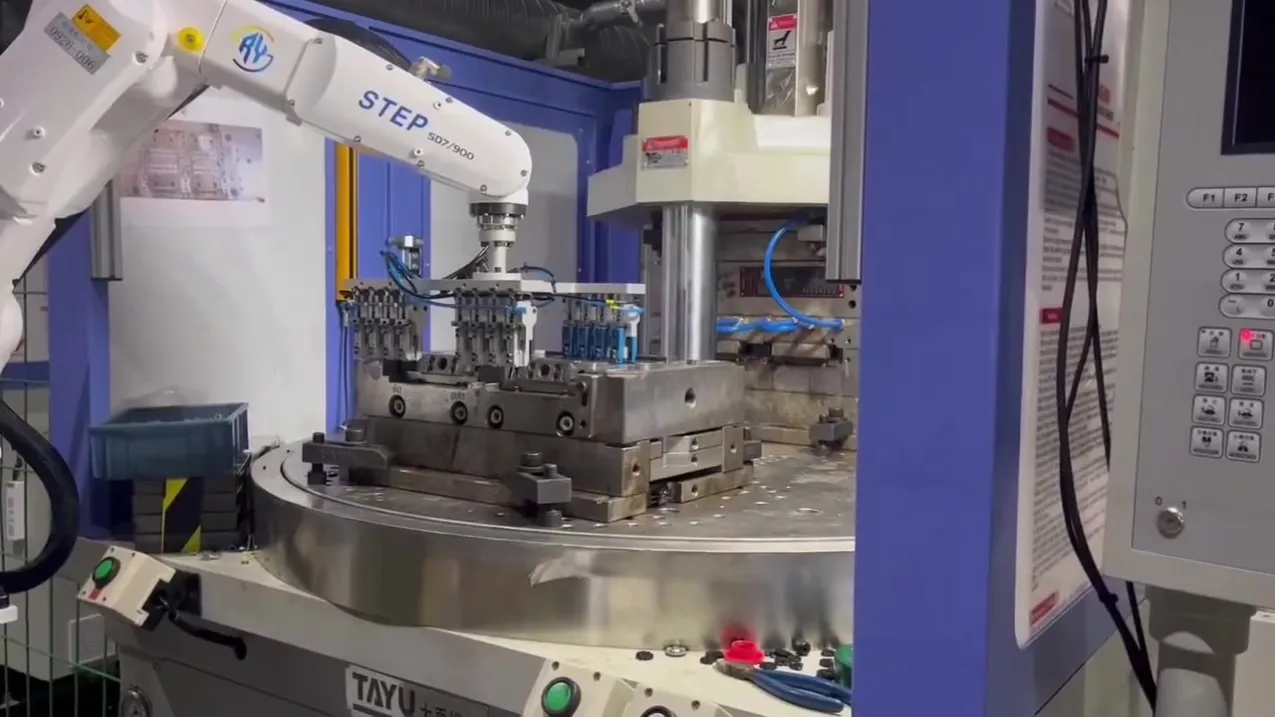
Vertical Injection Molding
Monitoring manually or automatically loaded inserts and confirming part removal.
Precision Injection Molding
Protecting molds containing small pins, cores, sliders or precision components.
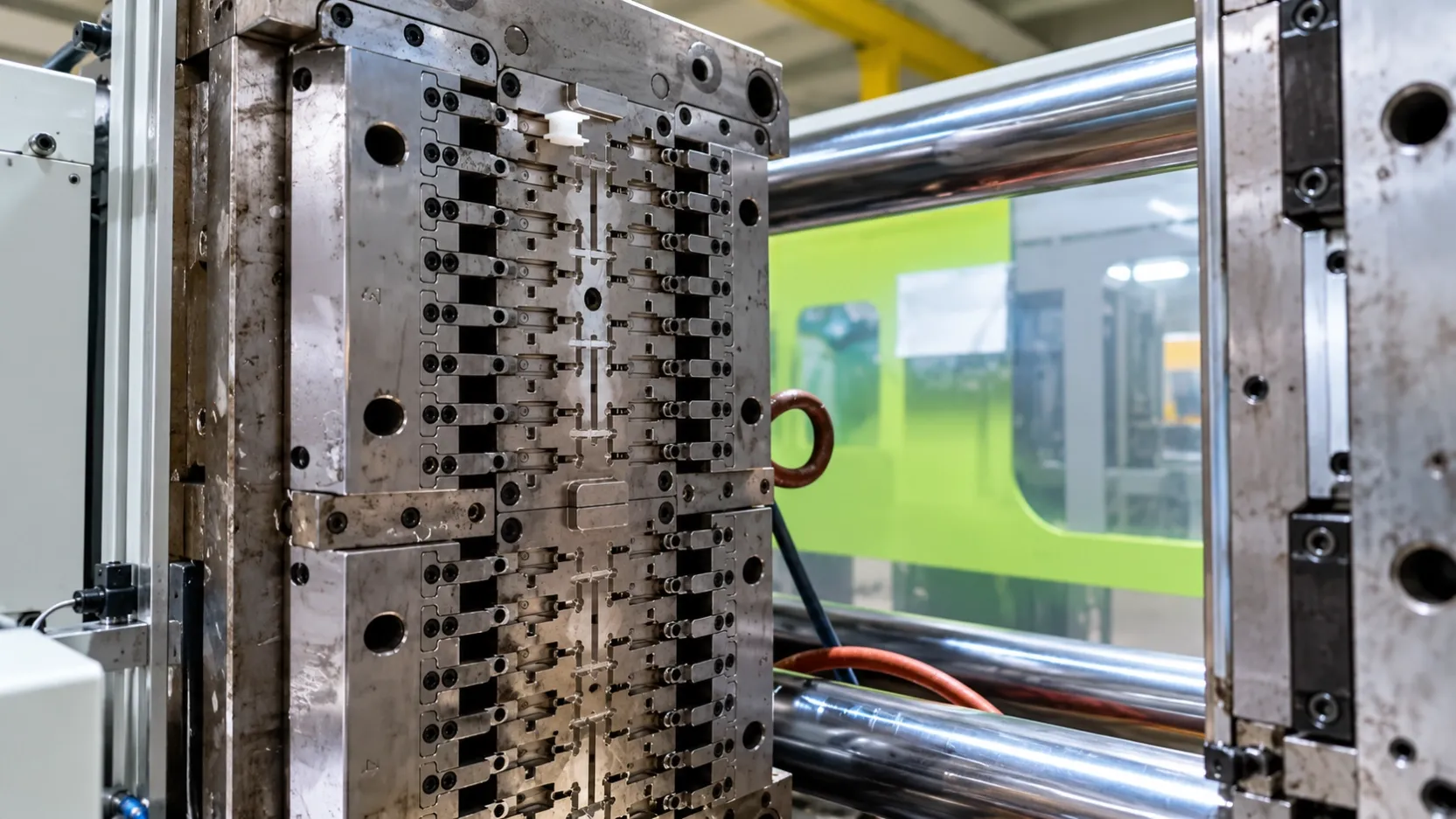
Multi-Cavity Molds
Confirming that parts have been removed from multiple cavities.
Electronic Components
Monitoring connectors, housings and other small precision molded parts.
Automotive and Medical Components
Applications where stable production and reliable mold protection are especially important.
One Camera or Multiple Cameras?
The required camera configuration depends on mold size, cavity arrangement and inspection areas.
A single camera may be sufficient when all critical areas are visible from one direction.
For larger molds or applications with multiple inspection areas, several cameras can be used to monitor the mold from different angles.
The important consideration is not simply the number of cameras, but whether the required inspection areas can be clearly seen under stable lighting conditions.
Mold Watcher, Mold Monitor or Mold Protection System?
Different suppliers and markets use different terminology for this type of equipment.
You may encounter terms such as:
- Mold Watcher
- Mold Monitor
- Mold Monitoring System
- Mold Protection System
- Mold Protection Camera
- Vision Mold Protection System
- Mould Protection System
“Mold” is more common in American English, while “mould” is commonly used in British English and many international markets.
In practical injection molding applications, these terms are often used to describe camera-based systems that monitor the mold and help prevent abnormal conditions from progressing to the next machine cycle.
Choosing a Mold Protection System
Before selecting a mold monitoring solution, several application details should be evaluated:
- Mold dimensions
- Number of cavities
- Product size
- Critical areas to be monitored
- Part and mold contrast
- Insert location
- Machine cycle time
- Available camera mounting positions
- Lighting conditions
- Injection molding machine signals
For this reason, evaluating actual mold photos, product samples and inspection requirements is usually more useful than selecting a system based only on camera resolution.
Vision-Based Mold Protection for Injection Molding
A mold watcher provides an additional layer of protection by visually checking what is actually happening inside the mold.
By detecting stuck parts, incomplete ejection, misplaced inserts and other abnormal conditions before the next cycle, a vision-based mold protection system can help reduce mold damage, unplanned downtime and production interruptions.
For applications involving complex molds, insert molding or small precision components, machine vision can provide information that conventional machine protection alone may not detect.
Need to Evaluate a Mold Monitoring Application?
Send us photos or videos of your mold, molded parts and injection molding process. Contact Us to evaluate the inspection areas, camera configuration and suitable mold protection solution for your application.