Mold Protection Camera for Insert Molding & Vertical Injection Molding
Learn how mold protection cameras detect missing, misplaced or retained inserts and molded parts before mold closing in insert molding and vertical injection molding applications.
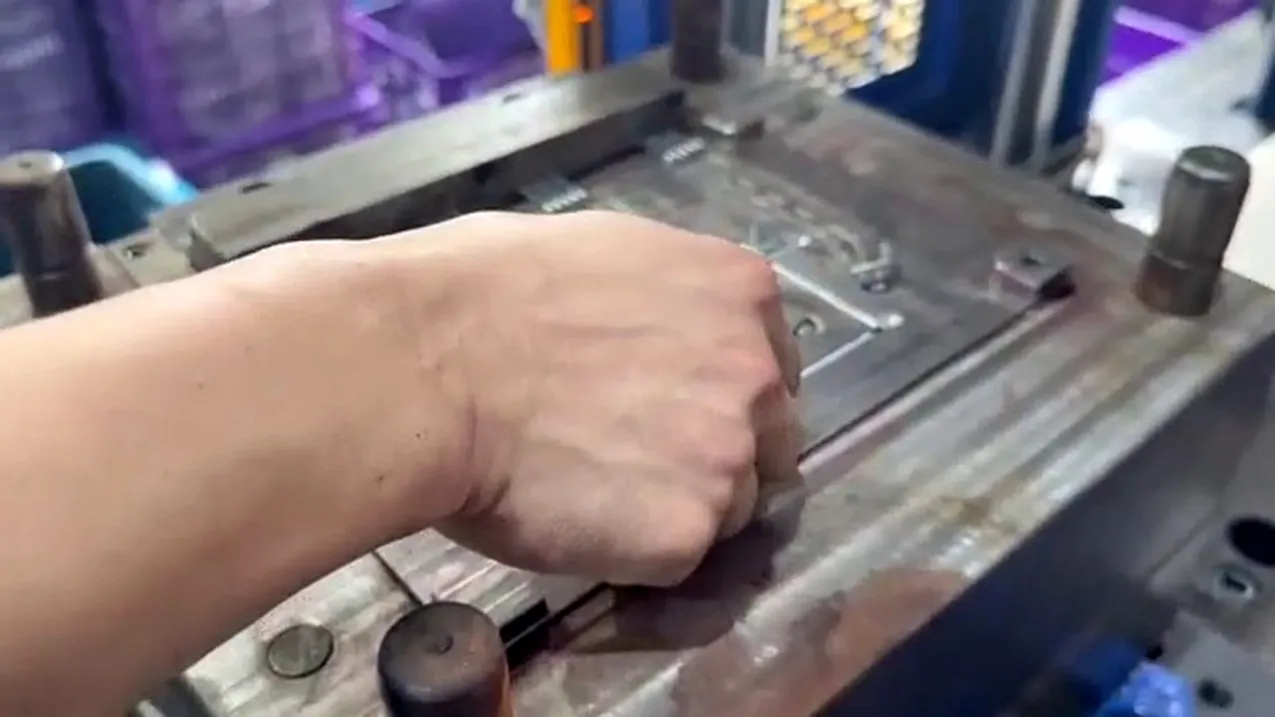
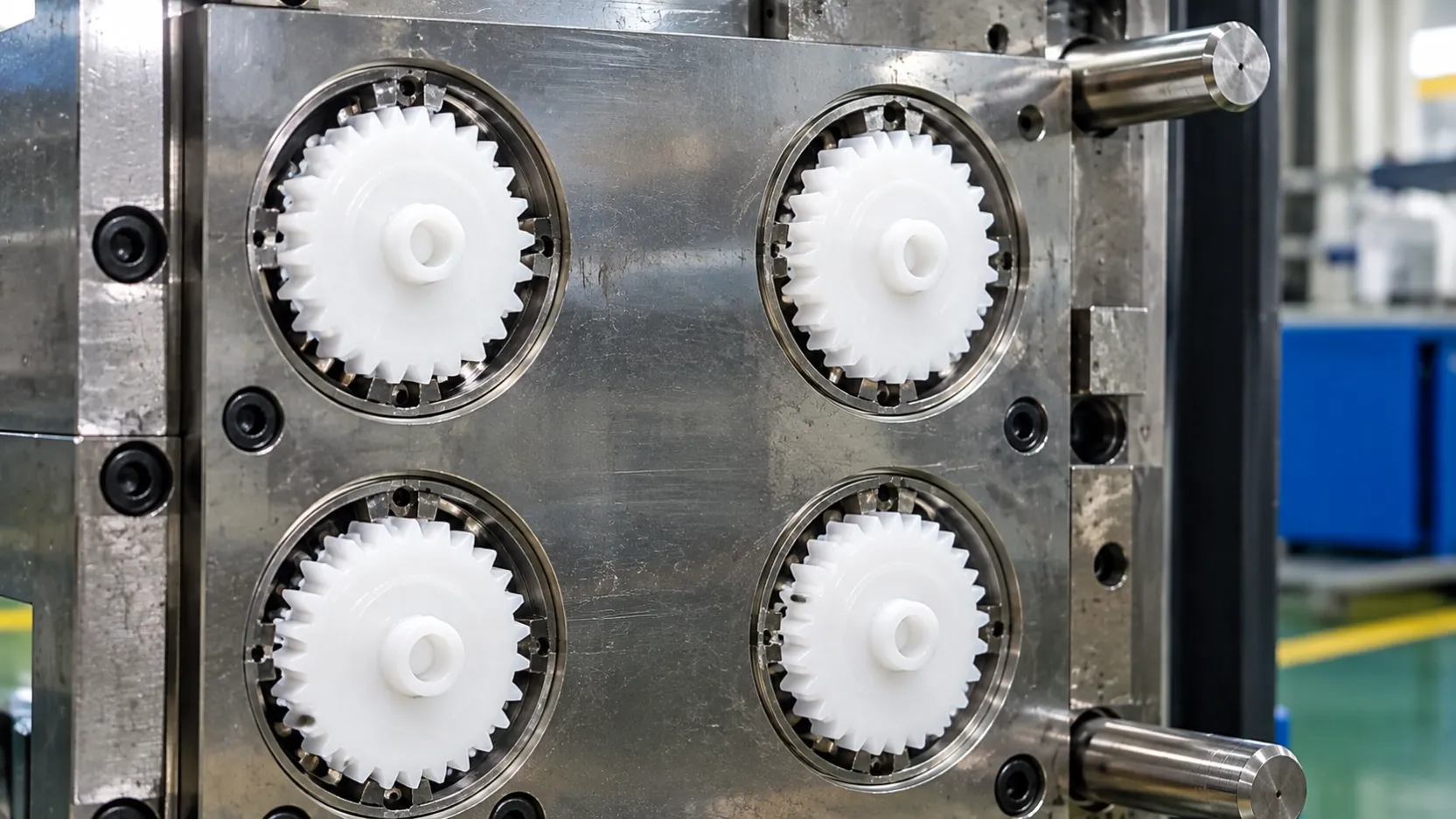
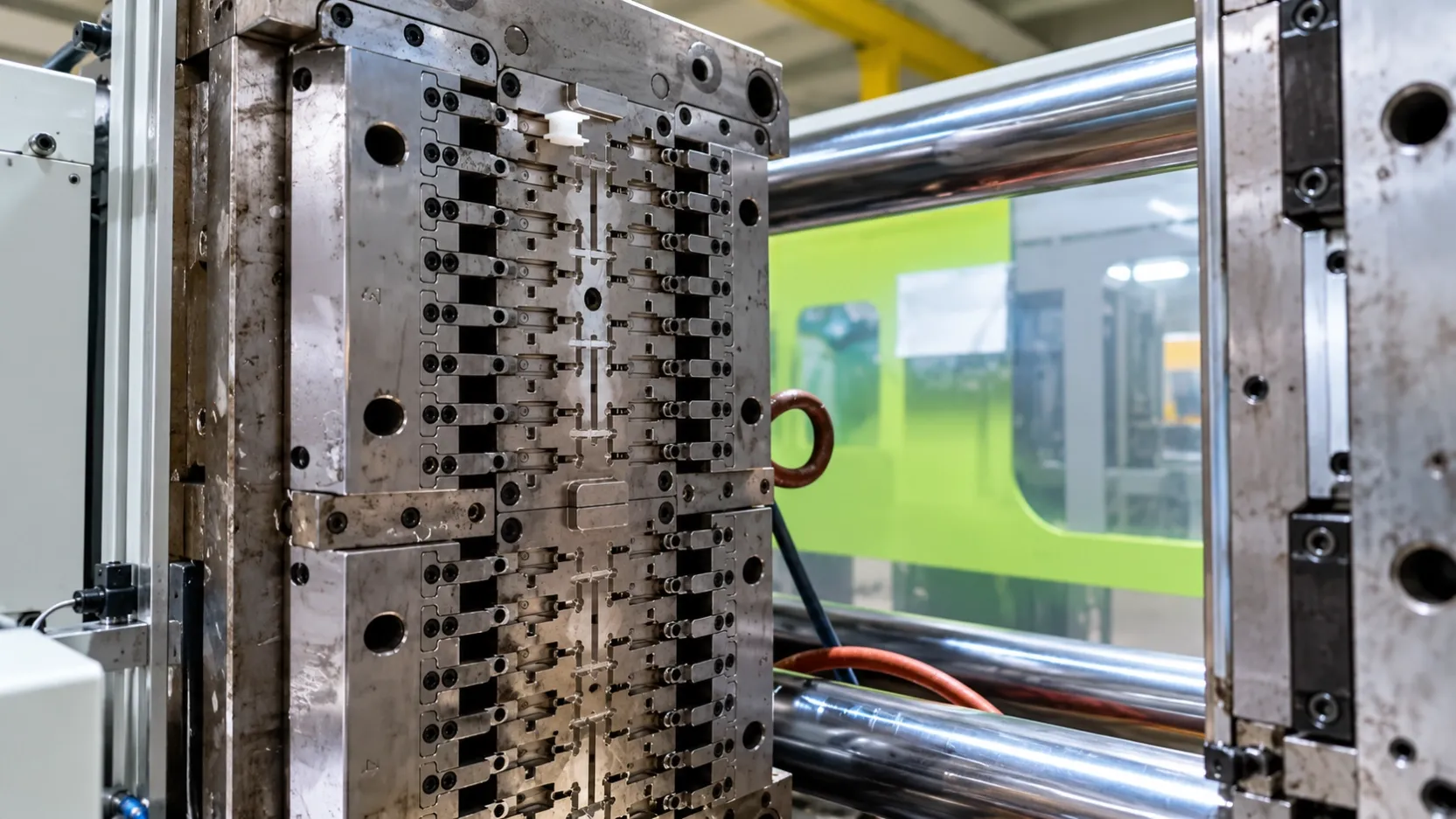
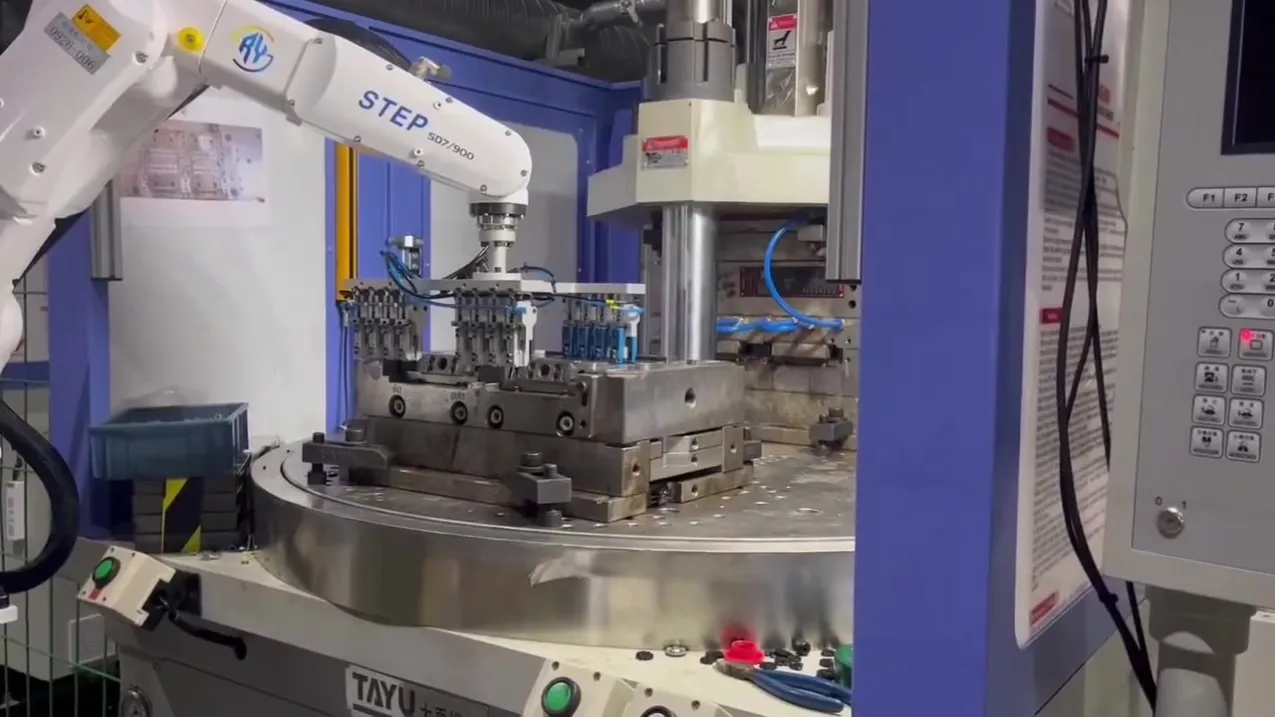
Insert molding combines metal or preformed components with injection-molded plastic to create an integrated part. It is used for connectors, terminals, sensors, automotive components, medical components and other precision parts. Many insert molding applications use vertical injection molding machines, where an operator or robot places inserts into the open mold before each molding cycle.
The condition of the mold before closing matters. A missing insert can produce an incomplete component, while a misplaced or tilted insert can interfere with mold closing and damage tooling. A molded part left behind after ejection can also obstruct the next cycle. A mold protection camera adds visual inspection at these critical stages, helping identify abnormal conditions before the machine continues.
Why Insert Molding Needs Mold Protection
Typical inserts include metal terminals, brass or copper inserts, threaded inserts, pins, electrical contacts, connector components and stamped metal parts. Each insert needs to be present and correctly seated in its intended location.
Before mold closing, a configured camera inspection can check for:
- Missing inserts: an expected insert is absent from its inspection area.
- Misplaced inserts: an insert is outside the intended position.
- Tilted or improperly seated inserts: the visible insert condition differs from the accepted reference.
- Multiple inserts: each required insert position is checked before the cycle continues.
Detection depends on camera visibility, lighting and the inspection setup. If the result is NG—an unacceptable condition—the mold monitoring system can provide an interlock signal to prevent the next mold-closing sequence when correctly integrated with the machine controls.
Inspection After Part Ejection
Insert verification is only one inspection stage. After the mold opens and the finished component is removed, the camera can check whether the selected mold areas are clear for the next cycle.
Inspection targets can include:
- A molded part remaining in a cavity.
- A part remaining on the core.
- Incomplete ejection.
- An insert or material remaining in the mold.
- Abnormal conditions in selected inspection areas.
This check is especially useful when a retained part is difficult to notice during repetitive production. Inspection should be timed after the removal operation has finished and before the next operation can conceal the relevant area.
Why Mold Monitoring Is Useful on Vertical Injection Molding Machines
Vertical injection molding often includes a repeated insert-loading step. Visual verification helps confirm that loading is complete and that the mold is ready for the next stage, whether inserts are placed manually or by a robot.
Typical production sequence
Mold opens → Operator or robot loads inserts → Camera checks insert presence and position → OK allows machine to continue → Injection molding → Mold opens → Molded part removed → Camera checks mold is clear → Next cycle.
The inspection triggers and OK/NG signals should match the actual machine sequence. An insert check and a mold-clear check serve different purposes and should be evaluated separately during setup.
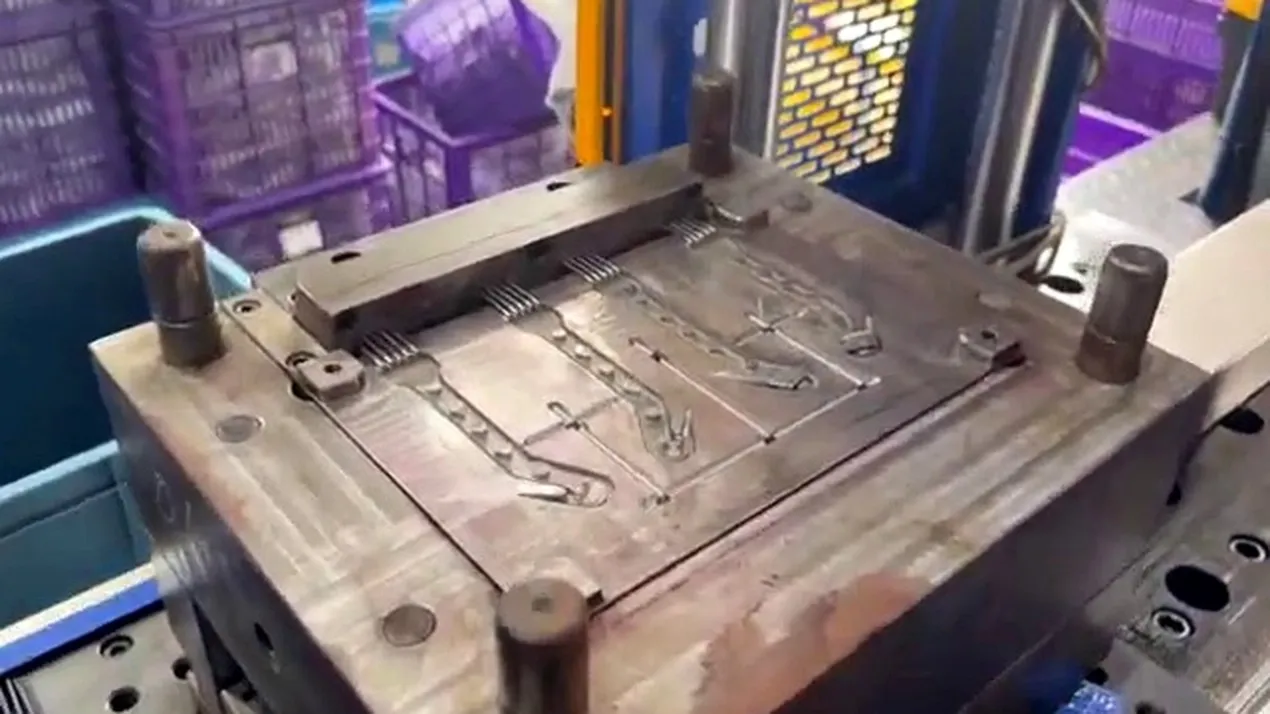
Typical Insert Molding Applications
Electrical Connectors
Terminals and electrical contacts are positioned in the mold before plastic is molded around them. Inspection can verify the visible terminal positions and help identify missing or displaced inserts before closing.
Electronic Components
Pins, contacts and other preformed elements may be incorporated into sensor housings and electronic assemblies. Checking each required location supports consistent insert loading before the molding stage.
Automotive Components
Automotive connectors, sensor components and plastic parts with metal inserts require a repeatable loading process. Mold monitoring can check visible insert positions and confirm part removal between cycles.
Medical & Precision Plastic Components
Small inserts and closely spaced features make camera visibility and image detail especially important. The inspection setup should be assessed against the actual insert size, mold structure and conditions that must be detected.
Multiple ROI Inspection for Insert Molding
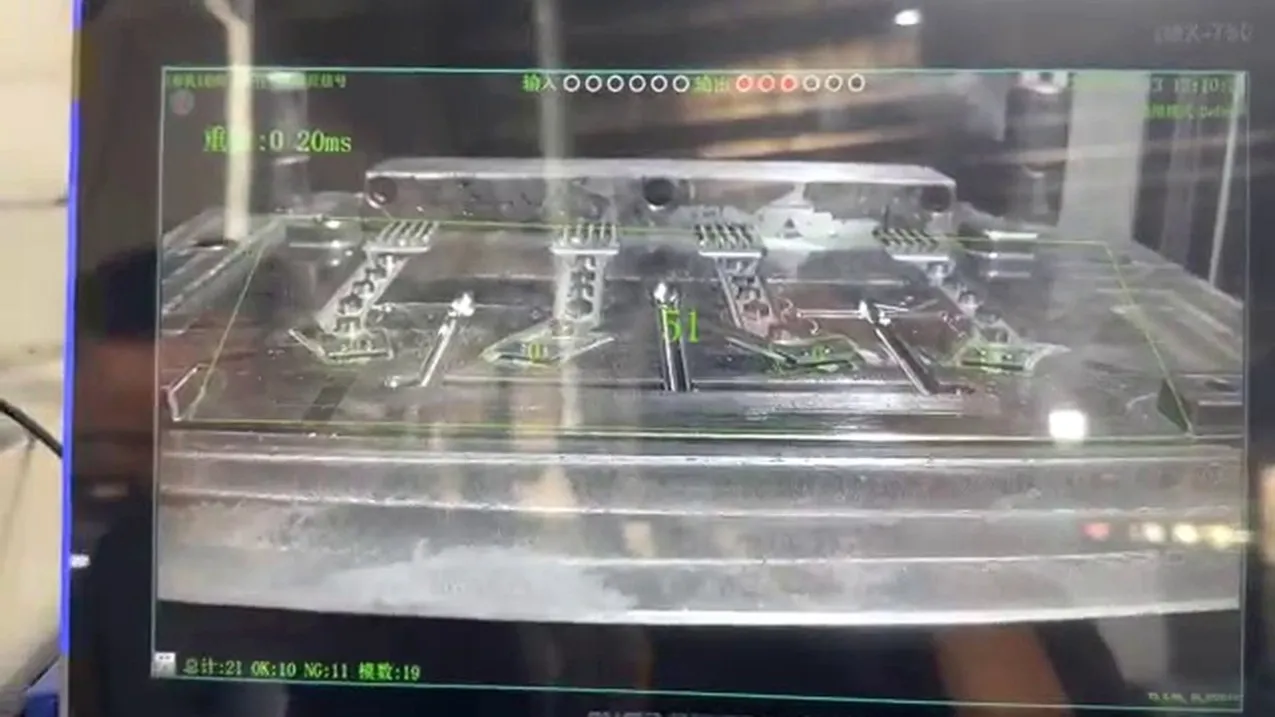
A Region of Interest, or ROI, is a selected area within the camera image. Several ROIs can be configured in one image so that multiple insert positions are checked independently.
For example, a mold with several visible insert locations can use a separate inspection region for each location. This allows the setup to focus on the relevant features at each position instead of treating the whole mold image as one undifferentiated area.
Each ROI needs a clear view and appropriate lighting. The setup should be tested with acceptable loading conditions and representative missing, displaced or improperly seated inserts to establish whether those differences are reliably visible.
One Camera or Multiple Cameras?
Single camera: Suitable when all critical inspection areas are clearly visible from one direction and the image provides sufficient detail for the required checks.
Dual or multiple cameras: Useful for larger molds, blocked views, different mold faces or applications where both mold halves need inspection.
Camera quantity should follow the visibility requirements. Adding cameras is useful when it resolves a specific coverage problem; the lens, mounting position and lighting still need to suit each view.
Lighting Is Critical for Metal Insert Inspection
Copper, brass and stainless-steel inserts can produce reflections. Changes in reflected light may make an insert edge difficult to see or create image differences unrelated to its position.
Stable lighting, camera position and ROI setup should therefore be evaluated with the actual mold and inserts. The goal is to make the relevant inspection features consistently visible throughout normal production. A setup that looks clear in a single still image should also be checked across repeated loading and molding cycles.
IMX-760 Mold Monitoring System for Insert Molding
The IMX-760 Mold Monitoring System provides the following capabilities for evaluating insert molding applications:
- Up to 4 cameras.
- Multi-ROI inspection.
- Insert presence monitoring.
- Insert position monitoring.
- Part ejection confirmation.
- Remaining-part detection.
The camera configuration and inspection areas should be selected for the actual mold. Insert monitoring and ejection confirmation can be assessed at their respective stages of the machine cycle.
Choosing a Mold Protection System for Insert Molding
Start by identifying what must be visible and when it must be checked. The following application details help define the inspection configuration:
- Mold size: determines the overall field of view and possible mounting positions.
- Insert size: affects how much image detail is needed at each inspection point.
- Number of inserts: determines the number and distribution of positions to verify.
- Insert material: affects reflections and lighting requirements.
- Machine type: influences access, camera mounting and inspection timing.
- Mold structure: may restrict visibility or require views of different mold faces.
- Cycle time: determines the available inspection window within the production sequence.
- Camera visibility: establishes whether the required conditions can be distinguished from the selected views.
Photos of the open mold and a short video of the complete cycle provide useful starting information. Evaluation should include both normal conditions and the specific faults the inspection needs to identify.
FAQ
Can a mold protection camera be used on a vertical injection molding machine?
Yes. The camera can be configured to inspect visible insert positions and mold-clear conditions at suitable points in the cycle. Camera mounting, lighting and machine signal integration need to be evaluated for the particular installation.
Can the system detect a missing insert?
Yes, when the expected insert location is visible and the inspection is configured to distinguish an occupied position from an empty one. Detection should be verified with the actual mold and insert.
Can it detect several inserts at the same time?
Yes. Multiple ROIs can check several visible insert positions independently within one camera image. Additional cameras may be useful when one view cannot cover all required positions.
Can the camera prevent the mold from closing?
The mold monitoring system can output an interlock signal after an NG inspection. The machine control must be correctly integrated and configured to use that signal to inhibit the next mold-closing sequence.
Can one system be used for different molds?
A system may be usable with different molds, but each mold needs its own evaluation of camera visibility, mounting, lighting, inspection regions and timing. Compatibility should be confirmed before changing applications.
Is it only suitable for insert molding?
No. Mold monitoring can also check for retained molded parts and incomplete ejection in other injection molding applications, provided the relevant areas and abnormal conditions are visible to the camera.
Protect the Mold Before It Closes
In insert molding, a small misplaced metal insert or retained molded part can lead to costly mold damage. A mold protection camera adds visual verification before mold closing, helping manufacturers reduce tooling risk and improve process control.
Send us photos or a short video of your mold and molding cycle. We can evaluate the camera position, field of view and recommended mold monitoring configuration for your application.