Sep 29, 2026Mold Monitor System
Mold Monitoring vs. Traditional Low-Pressure Mold Protection
Learn how camera-based mold monitoring differs from traditional low-pressure mold protection and how both can help reduce mold damage risk.
Learn how camera-based mold monitoring differs from traditional low-pressure mold protection and how both can help reduce mold damage risk.
Injection molding machines normally use low-pressure mold protection to help prevent damage during mold closing.
However, low-pressure protection and a mold monitoring system work in different ways.
Low-pressure protection reacts to resistance during mold closing, while a camera-based mold monitoring system checks the mold condition visually before closing starts.
How Low-Pressure Protection Works
During mold closing, the machine reduces closing force in a protected zone.
If an object is trapped between the mold halves, the machine may detect abnormal resistance and stop.
This is an important protection function, but very small or soft parts may not always create enough resistance early enough.
How Mold Monitoring Works
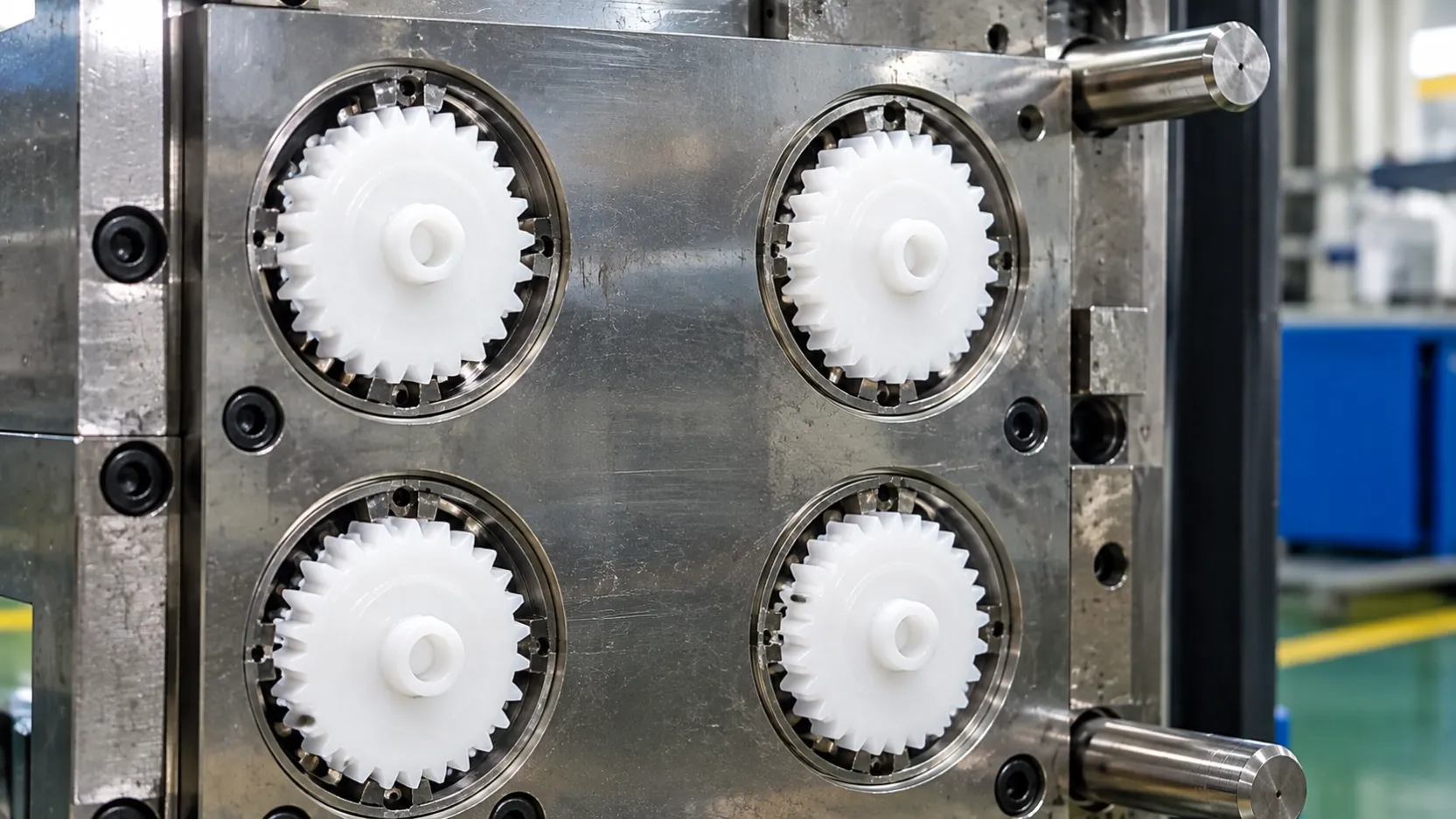
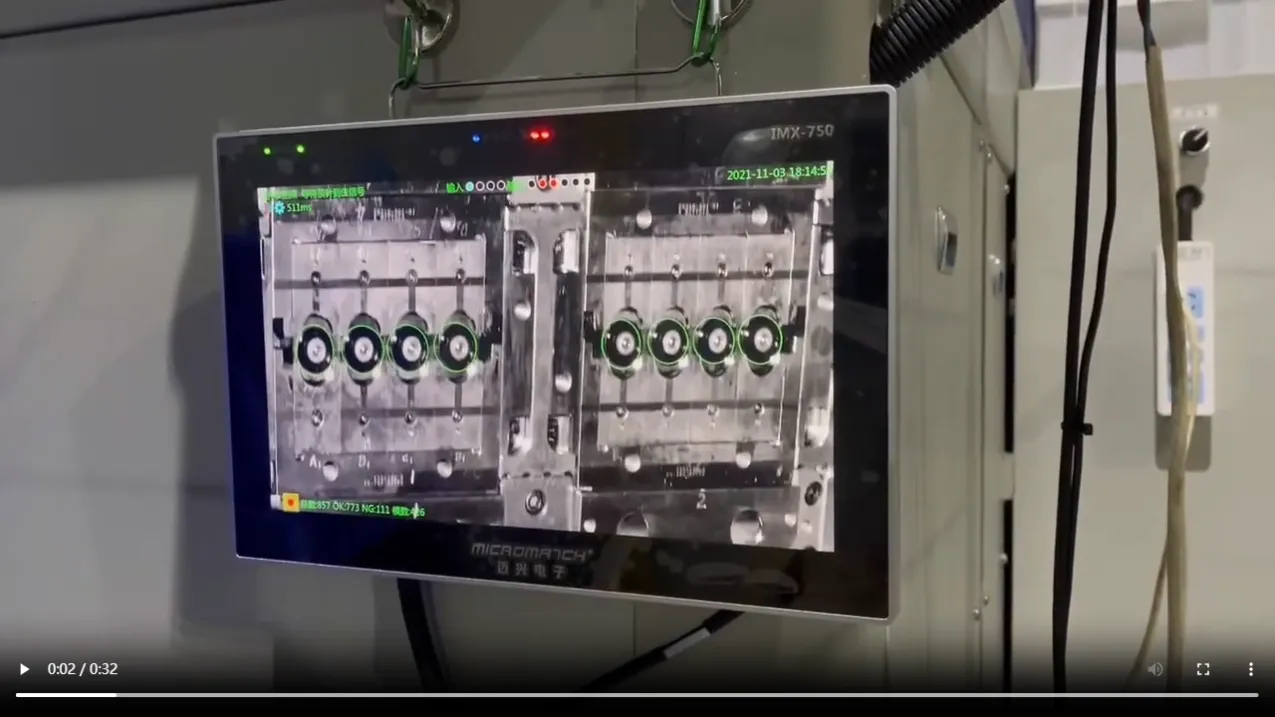
A mold monitoring camera checks the mold after opening, ejection, robot take-out, or insert loading.
It can monitor:
- molded parts
- runners and sprues
- inserts
- ejector pins
- sliders
- cavities and cores
If an abnormal condition is detected, the system gives an NG signal and can prevent the next mold-closing cycle.
The Main Difference
The difference is mainly when the problem is detected.
Low-pressure protection: detects abnormal resistance during closing.
Mold monitoring: detects abnormal mold conditions before closing.
This makes camera monitoring especially useful for precision parts, insert molding, and multi-cavity molds.
Small Parts and Insert Molding
A small plastic part or insert may not create enough resistance to trigger conventional protection.
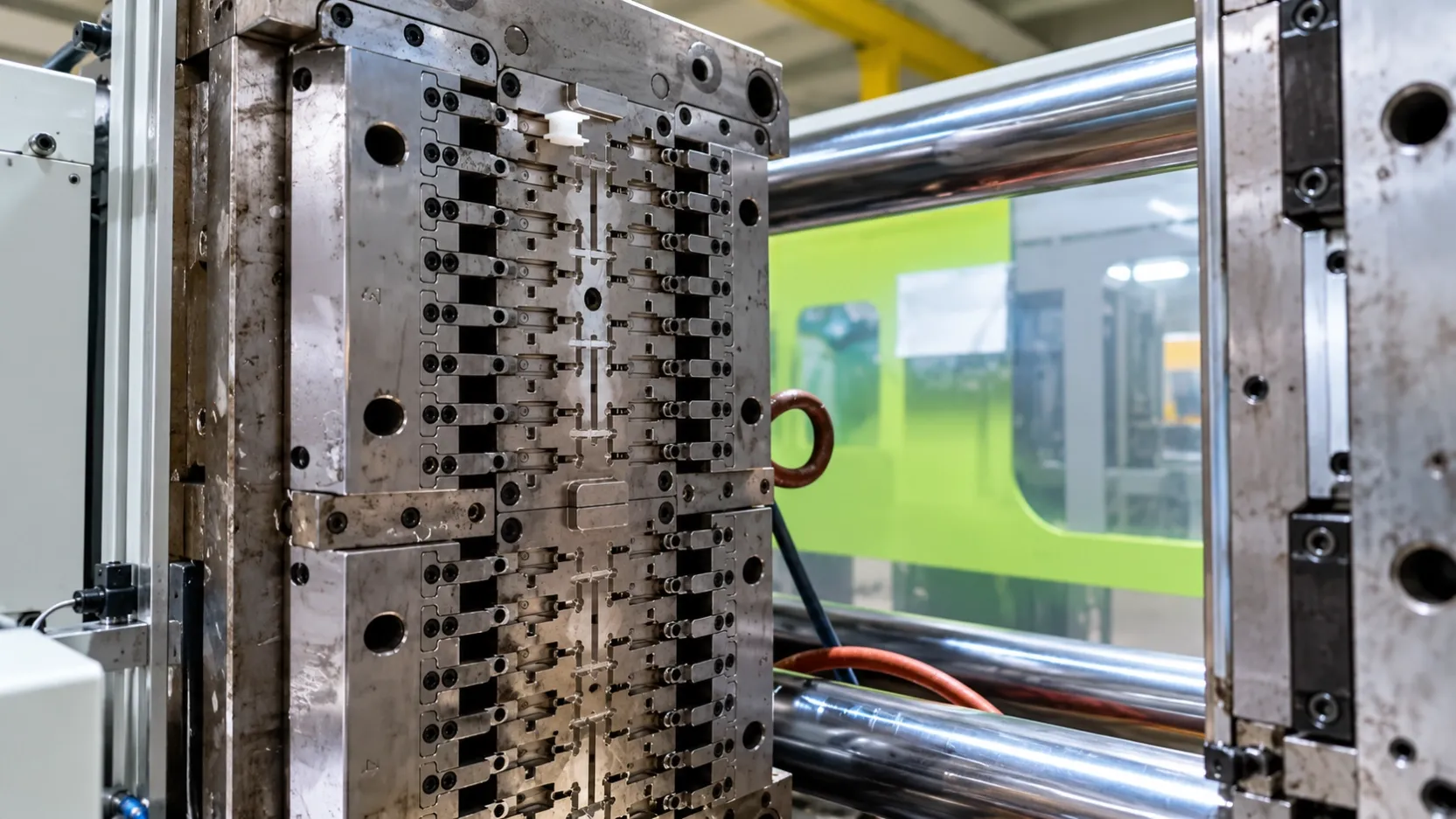
For example, in a 16-cavity mold, one part may remain inside while the other 15 eject normally.
A camera can monitor each cavity individually and confirm whether the mold is clear.
For insert molding, the system can also check whether inserts are present and correctly positioned before closing.
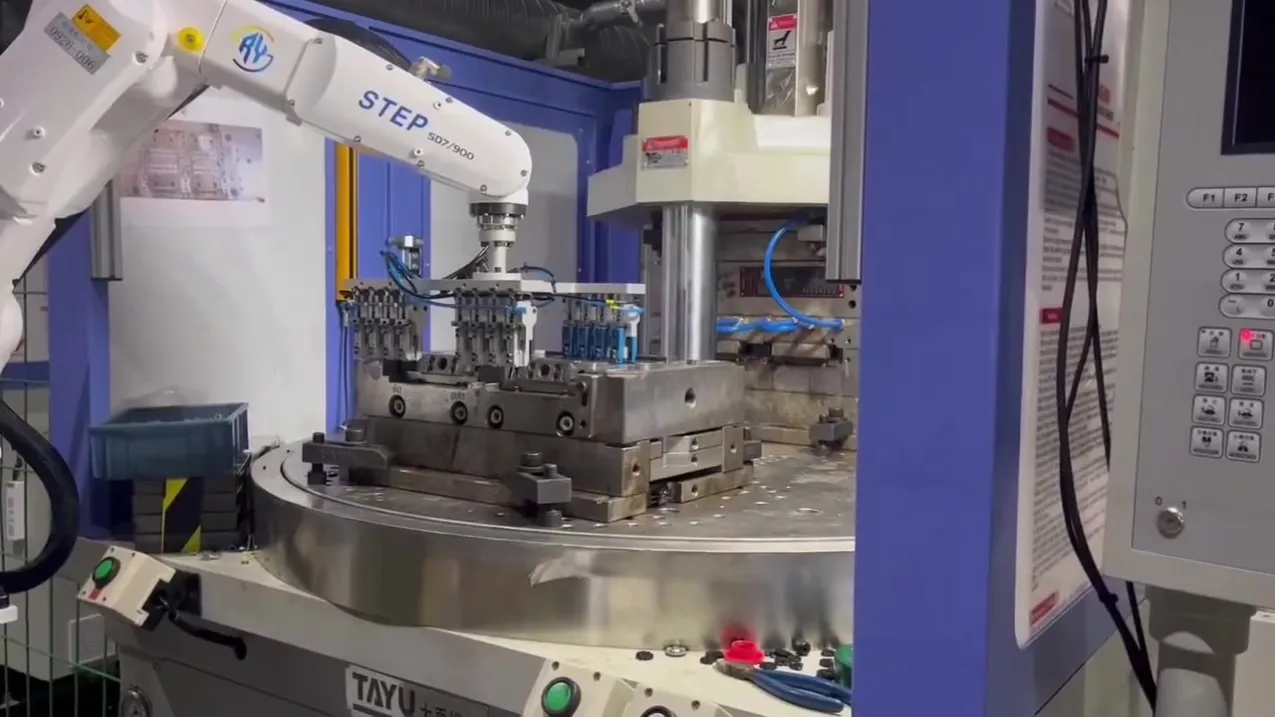
Robot Take-Out Confirmation
In automated production, robot movement does not always mean the product was successfully removed.
A mold monitoring system can verify the actual mold condition after robot take-out and detect:
- failed pick-up
- dropped parts
- remaining runners
- incomplete ejection
Should Mold Monitoring Replace Low-Pressure Protection?
Normally, no.
The two systems perform different functions and can work together.
A typical sequence is:
- Camera checks the mold.
- If the result is OK, mold closing is permitted.
- Low-pressure protection remains active during closing.
This provides both visual and mechanical protection.
Conclusion
Low-pressure mold protection reacts during mold closing, while a mold monitoring system checks for abnormal conditions before closing.
For precision molding, insert molding, multi-cavity molds, and automated production, combining both methods can provide more complete mold protection.
Need to evaluate mold monitoring for your application?
Send us your mold photos, product size, number of cavities, and molding cycle time. We can help recommend a suitable setup.