Sep 18, 2026Mold Monitor System
How Mold Monitoring Prevents Tool Damage in Injection Molding
Learn how mold monitoring systems detect incomplete ejection, stuck parts and other abnormal conditions before mold closing to help prevent costly mold damage.
Introduction
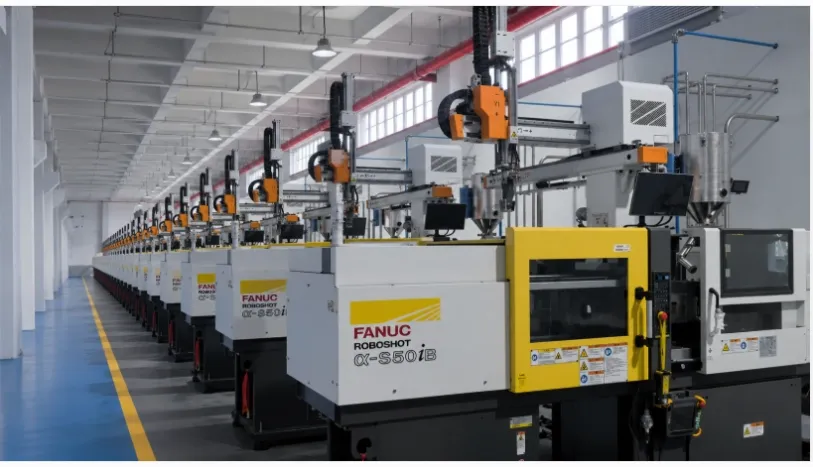
Injection molds operate through repeated cycles of closing, injection, opening and part ejection. If a molded part, runner or other object remains inside the mold when the next closing cycle begins, the result can be damaged mold components, interrupted production and unplanned downtime.
A mold monitoring system uses machine vision to check critical mold conditions during the injection molding cycle. By inspecting the mold at defined stages and providing a result before the next machine action, the system can help identify abnormal conditions before they lead to mold damage.
This article explains how mold monitoring works, what conditions it can detect and where it can add value in injection molding production.
1. Why Does Mold Damage Happen During Production?
Injection molds operate automatically and repeatedly, often with very short intervals between cycles.
Problems can occur when the actual mold condition does not match the expected production sequence.
For example:
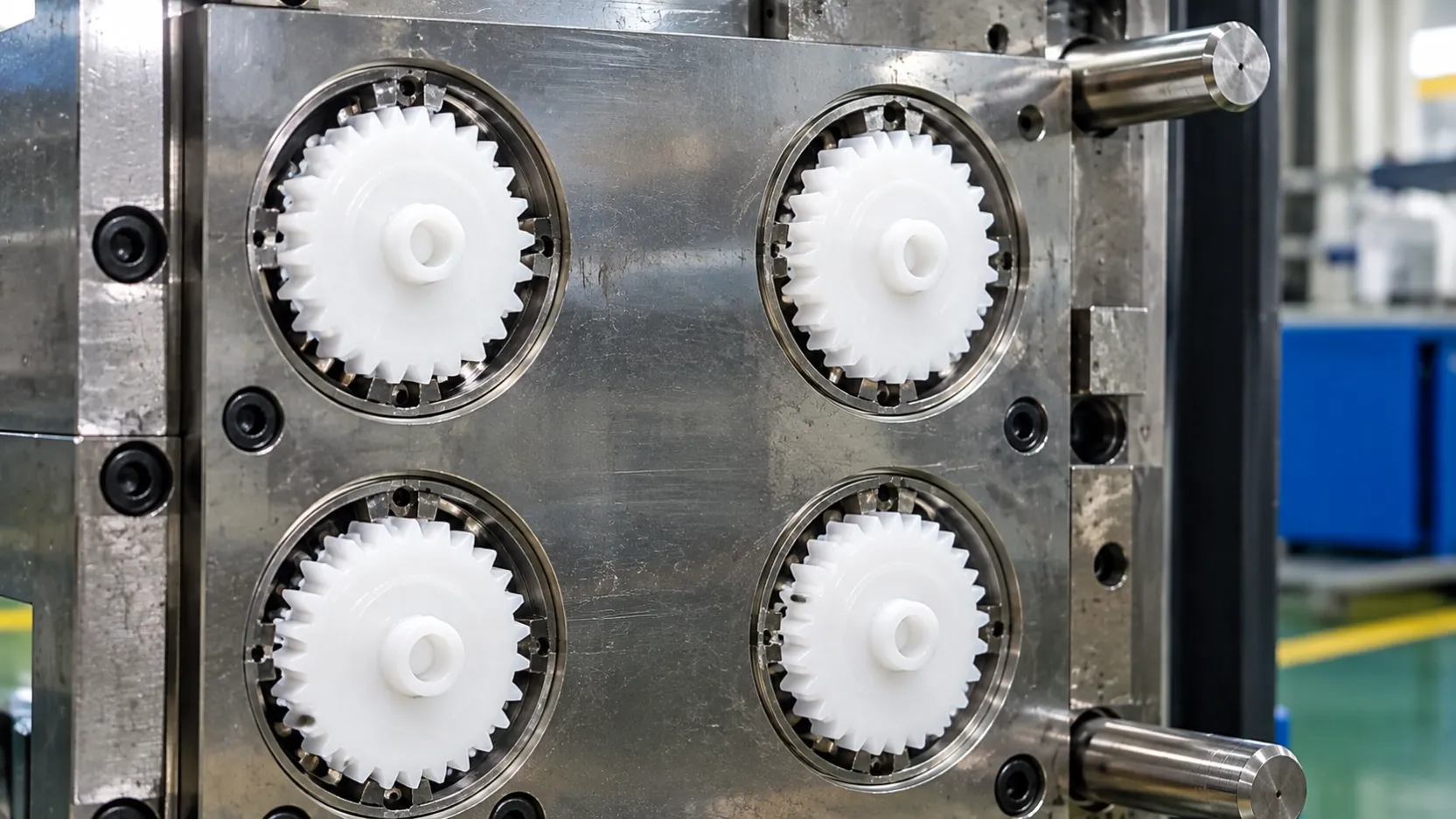
- A molded part does not eject completely
- A product remains stuck in the cavity
- An insert is missing or incorrectly positioned
- An ejector pin does not return correctly
- A runner or foreign object remains inside the mold
- A slider or other moving component is not in the expected position
If the machine continues into the next closing action without identifying the abnormal condition, mold components or products may be damaged.
The purpose of mold monitoring is to add a visual verification step before critical machine actions continue.
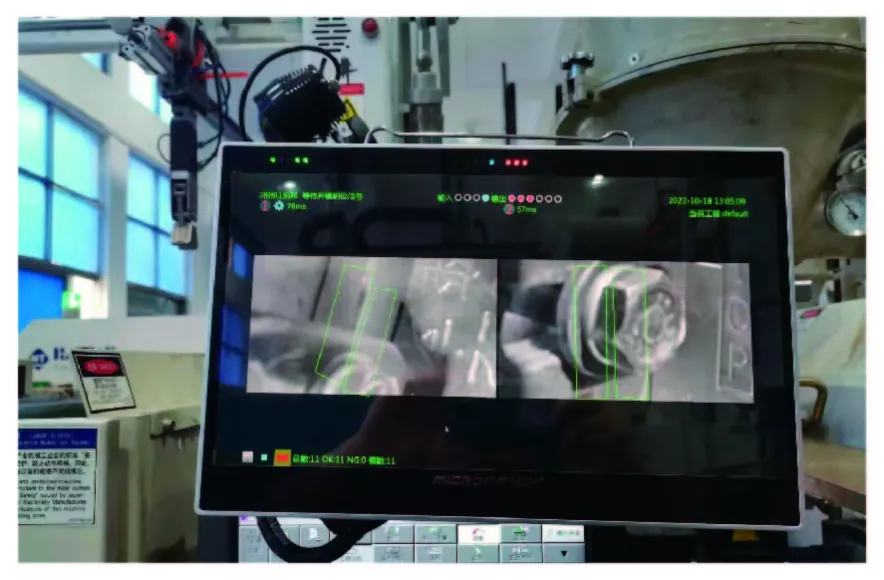
2. How Does a Mold Monitoring System Work?
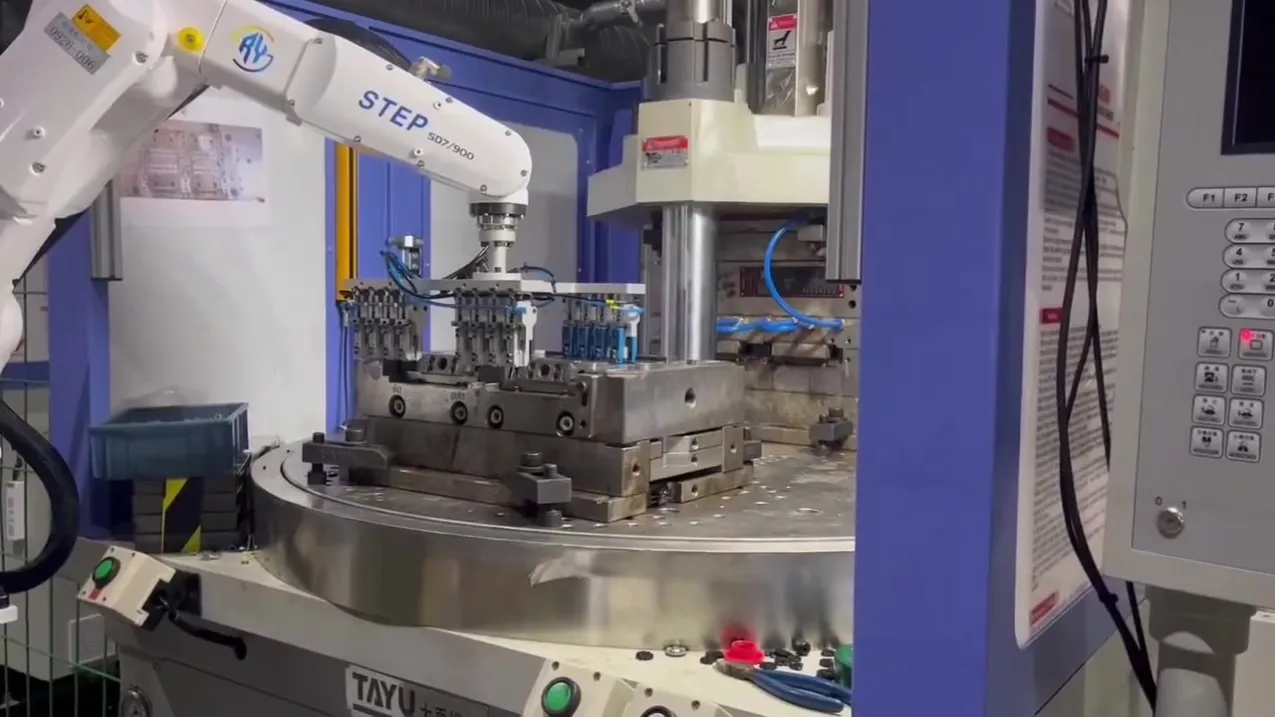
A mold monitoring system uses one or more cameras to capture images of selected areas inside the mold.
During setup, the operator defines the areas that need to be monitored. The system then evaluates images captured during production and compares the actual mold condition with the expected condition.
A typical monitoring sequence may include:
Mold opens → Image is captured → Selected areas are inspected → System determines OK or abnormal condition → Machine is allowed to continue or an alarm/control signal is generated
The exact sequence depends on the injection molding machine, mold and production process.
The important point is that inspection takes place before the next critical machine action, rather than discovering the problem after mold damage has already occurred.
3. Checking Part Ejection Before Mold Closing
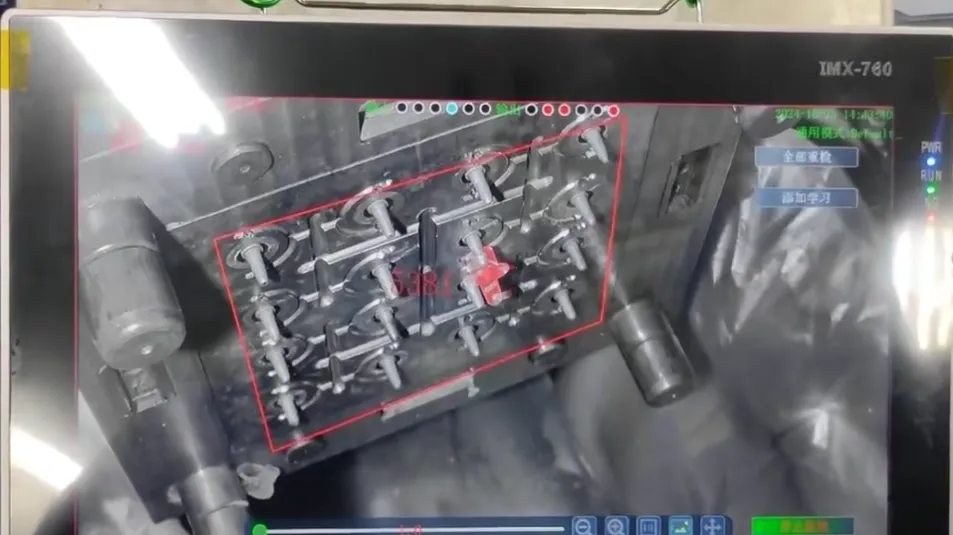
Incomplete ejection is one of the most important applications for mold monitoring.
After the mold opens and the product is ejected, the camera can inspect the defined mold areas to verify that the part has been removed.
If a molded part or runner remains in the mold, the system can identify the abnormal condition before the next closing cycle proceeds.
This is particularly useful for applications where:
- Parts can stick in the cavity
- Multiple cavities need to be monitored
- Small components are difficult for operators to observe
- Production runs automatically for long periods
Visual confirmation provides an additional layer of protection beyond relying only on the expected machine sequence.
4. Monitoring Inserts and Critical Mold Components
Mold monitoring is not limited to checking whether the product has been ejected.
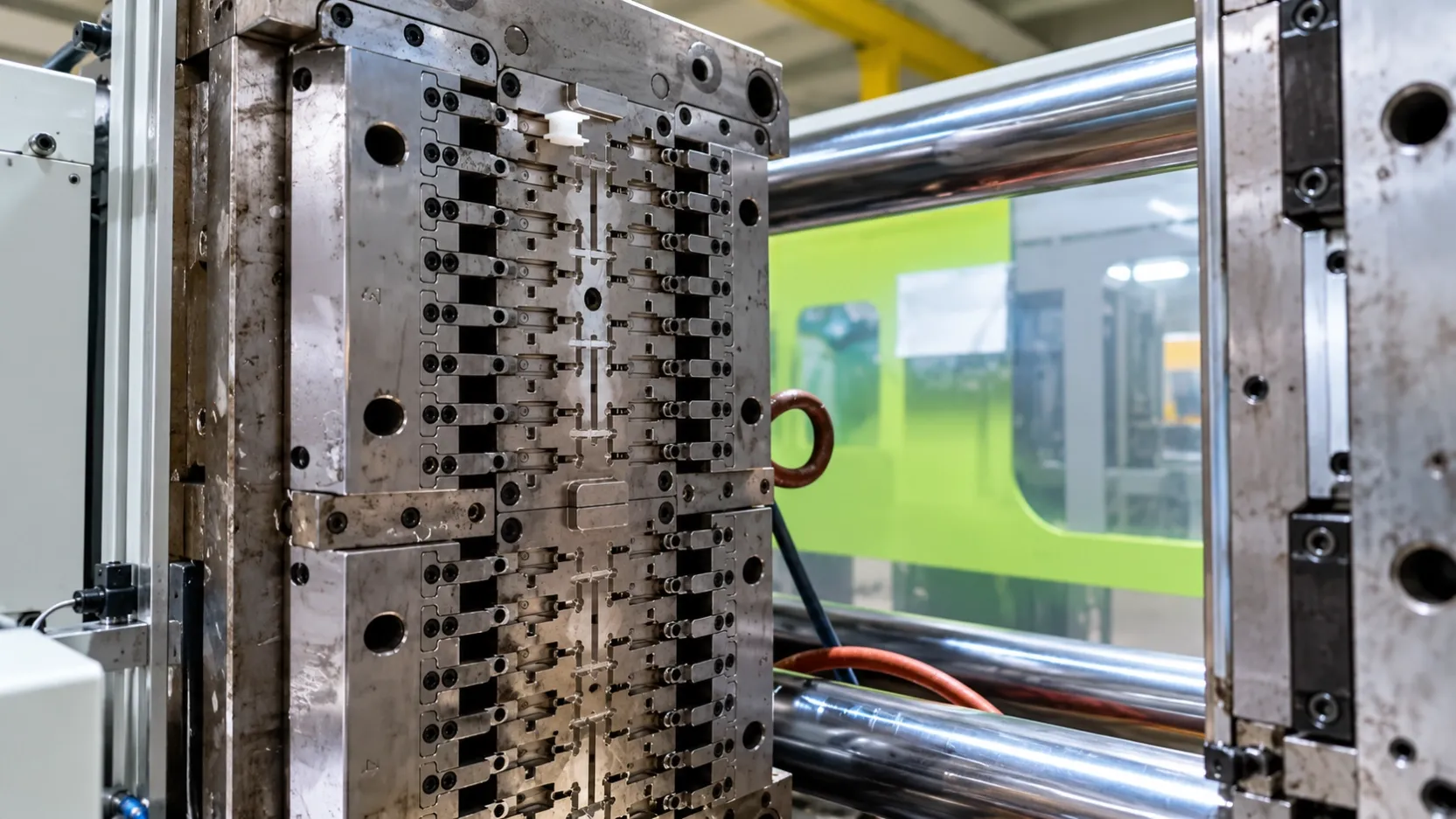
Depending on camera visibility and the application, the system can also monitor conditions such as:
- Insert presence or position
- Ejector pin condition
- Slider or core position
- Remaining material
- Foreign objects
- Other visually identifiable mold abnormalities
For insert molding applications, for example, the system can verify whether an insert is present in the required area before the production cycle continues.
The actual inspection capability depends on whether the required feature can be captured clearly by the camera.
5. Why Inspection Timing Matters
A mold monitoring system needs to inspect the mold at the correct moment in the machine cycle.
Different inspection stages answer different questions.
For example, an inspection after mold opening may be used to verify the initial mold or product condition, while another inspection after ejection can confirm whether the molded parts have been completely removed.
This means the system needs to work with machine signals and capture images according to the actual production sequence.
Correct inspection timing helps ensure that the image represents the condition that needs to be verified.
6. Why Camera Position and Lighting Matter
Reliable mold monitoring depends on image quality.
The camera must have a clear view of the critical mold areas, while lighting needs to provide sufficient and consistent contrast.
Factors that can affect image quality include:
- Mold depth
- Machine structure
- Camera angle
- Metallic reflections
- Shadows
- Ambient factory lighting
- Mold opening distance
For this reason, camera quantity and installation position should be determined according to the actual mold rather than selected only from general specifications.
7. One Camera or Multiple Cameras?
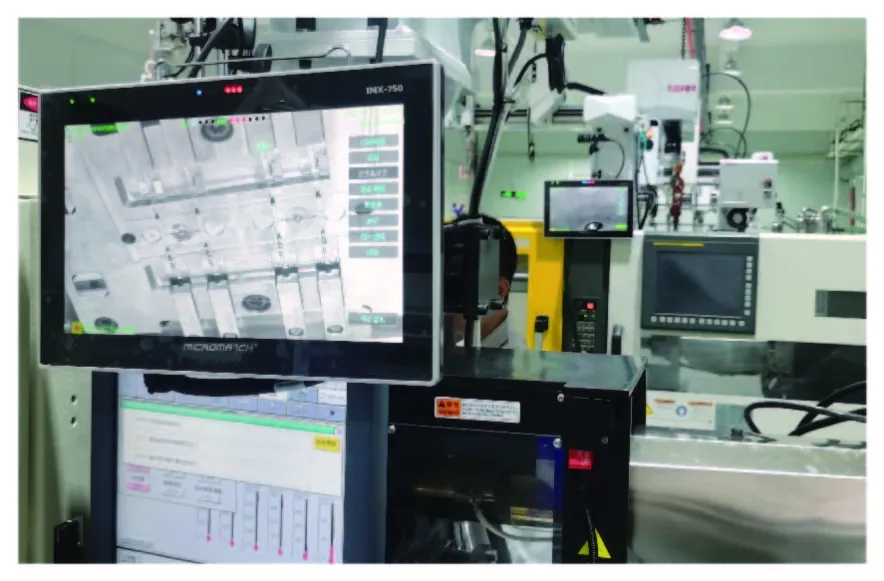
Not every mold requires the same camera configuration.
A single camera may be sufficient when all critical areas can be clearly viewed from one position.
Multiple cameras may be considered when the mold is larger or deeper, when machine structures block part of the view, or when critical areas require different viewing angles.
The objective is to achieve reliable coverage of the areas that matter — not simply to increase the number of cameras.
8. Mold Monitoring Is More Than Defect Inspection
It is useful to distinguish mold monitoring from conventional product quality inspection.
A product inspection system is generally designed to determine whether a finished part meets defined quality requirements.
A mold monitoring system focuses on verifying critical conditions during the molding cycle so that abnormal conditions can be identified before they cause production problems or mold damage.
The two technologies can complement each other:
Mold Monitoring → Protect the molding process and mold
Vision Inspection → Inspect the quality of the produced part
9. What Information Is Needed for Application Evaluation?
Before selecting a mold monitoring configuration, it is useful to prepare:
- Mold dimensions
- Photos of the mold in the open position
- Injection molding machine information
- Critical areas that need monitoring
- Mold opening distance
- Product and ejection sequence
- Expected camera installation position
- Required machine control logic
With this information, camera coverage, viewing angles and inspection timing can be evaluated more accurately.
Reducing the Risk of Mold Damage
Mold monitoring cannot eliminate every possible cause of mold damage, but it can provide an important visual verification step during automated injection molding.
By checking critical mold conditions before the next machine action, the system can help identify incomplete ejection, remaining parts, incorrect insert conditions and other visible abnormalities before they develop into more serious problems.
A successful mold monitoring application depends on three key factors:
Clear visibility of the critical area + Correct inspection timing + Proper machine integration