Sep 23, 2026Mold Monitor System
How a Mold Monitoring System Detects NG Conditions Before Mold Closing
See how a mold monitoring system detects abnormal mold conditions, stuck parts, incomplete ejection, and other NG situations before mold closing to help prevent mold damage and downtime.
In injection molding, even a small abnormal condition inside the mold can create serious problems if the machine continues to the next closing cycle.
A remaining part, runner, foreign object, or abnormal mold condition may result in mold damage, unexpected downtime, and additional maintenance cost.
A mold monitoring system or mold protection camera checks the mold area before the next cycle continues.
If an abnormal condition is detected, the system can give an NG signal and prevent mold closing.
Watch the related mold monitoring video here:
Why NG Detection Matters
Abnormal conditions do not happen in every cycle.
However, when they occur, the result can be costly.
Common NG conditions include:
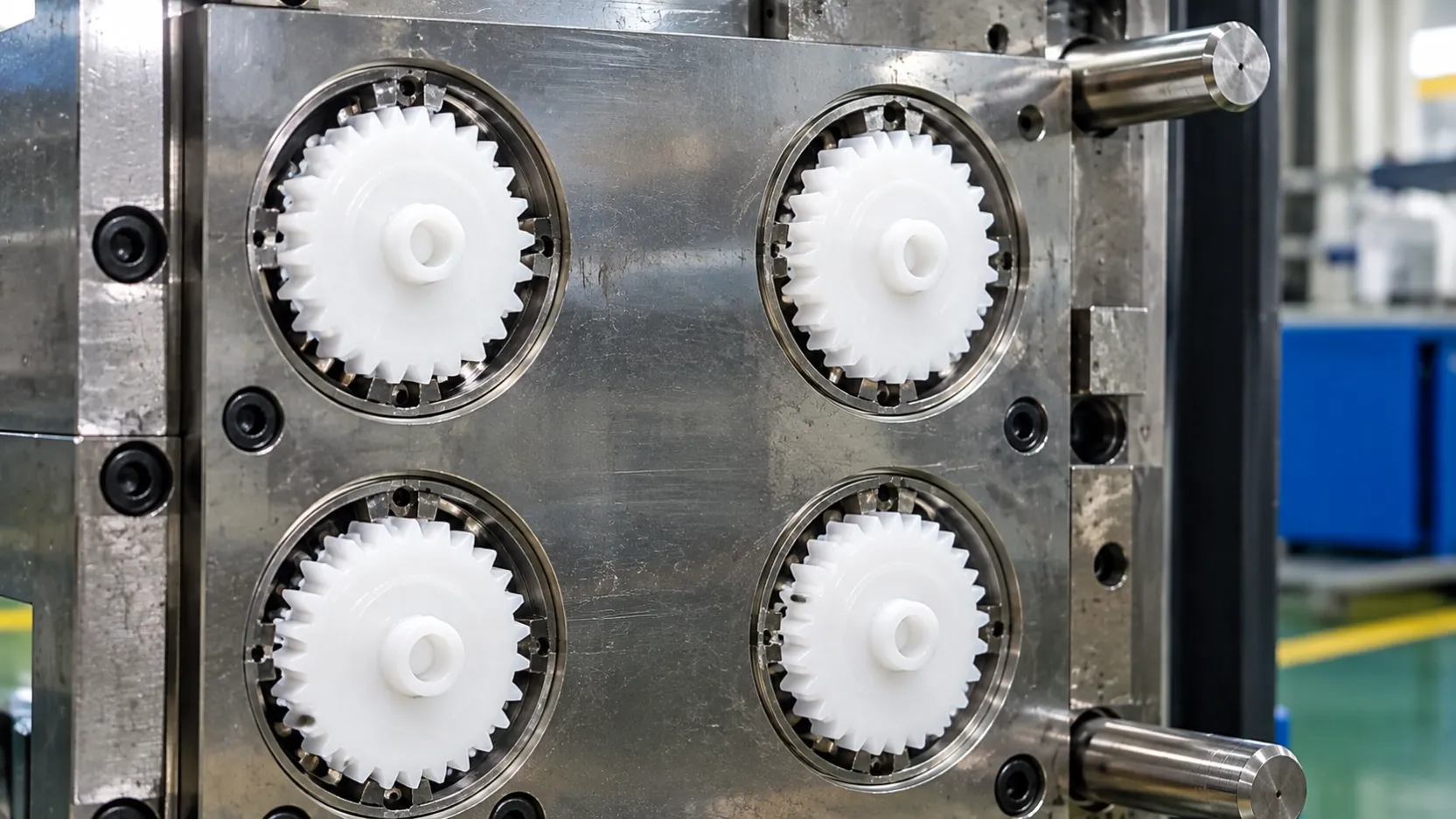
- parts remaining inside the mold
- runners or sprues not fully released
- incomplete ejection
- abnormal product position
- misplaced inserts
- robot pick-up failure
- foreign objects inside the mold area
- ejector return abnormalities
These problems may be difficult for operators to monitor continuously during high-speed production.
How the Mold Monitoring System Works
The camera captures the mold condition at key stages of the injection molding cycle.
The system compares the current image with the expected normal condition.
If the mold area is normal, the machine can continue.
If the system detects an abnormal object or incorrect position, it gives an NG result.
The NG signal can be used to stop the cycle or prevent the next mold-closing action.
Real NG Detection Example
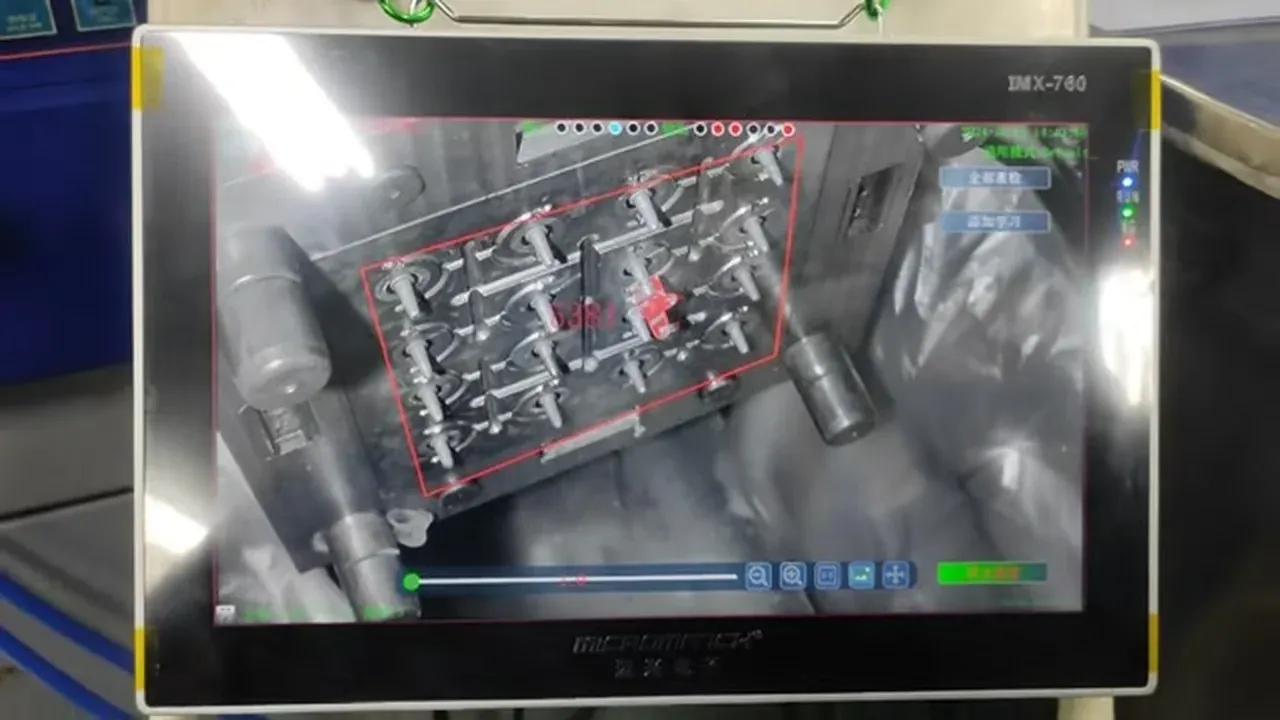
The video shows a real mold monitoring application on an injection molding machine.
The monitoring system checks the target area and evaluates whether the mold condition matches the preset normal image.
When an abnormal condition is detected, the inspection area is marked and the system gives an NG result.
This allows the problem to be identified before the mold closes again.
What Can Be Detected?
A mold monitoring camera can be used to detect:
- stuck molded parts
- remaining runners
- incomplete product removal
- misplaced inserts
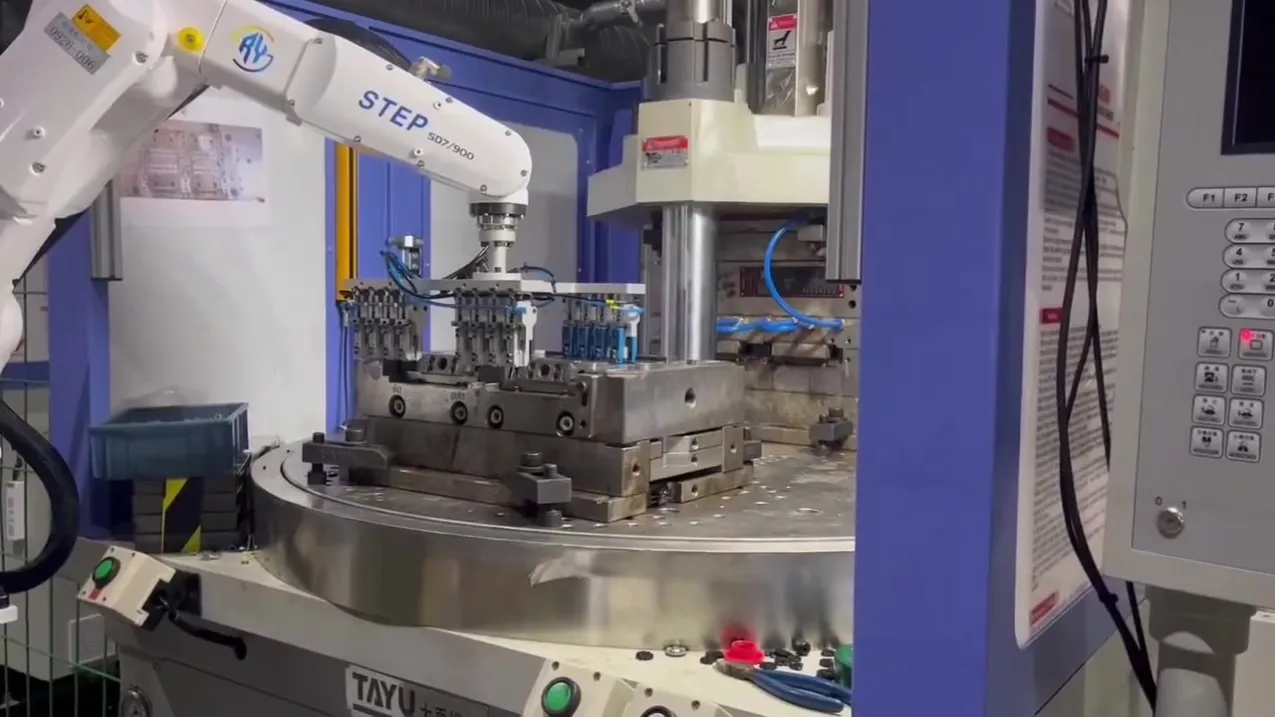
- robot take-out failure
- parts falling back into the mold
- foreign objects
- ejector or slider abnormalities
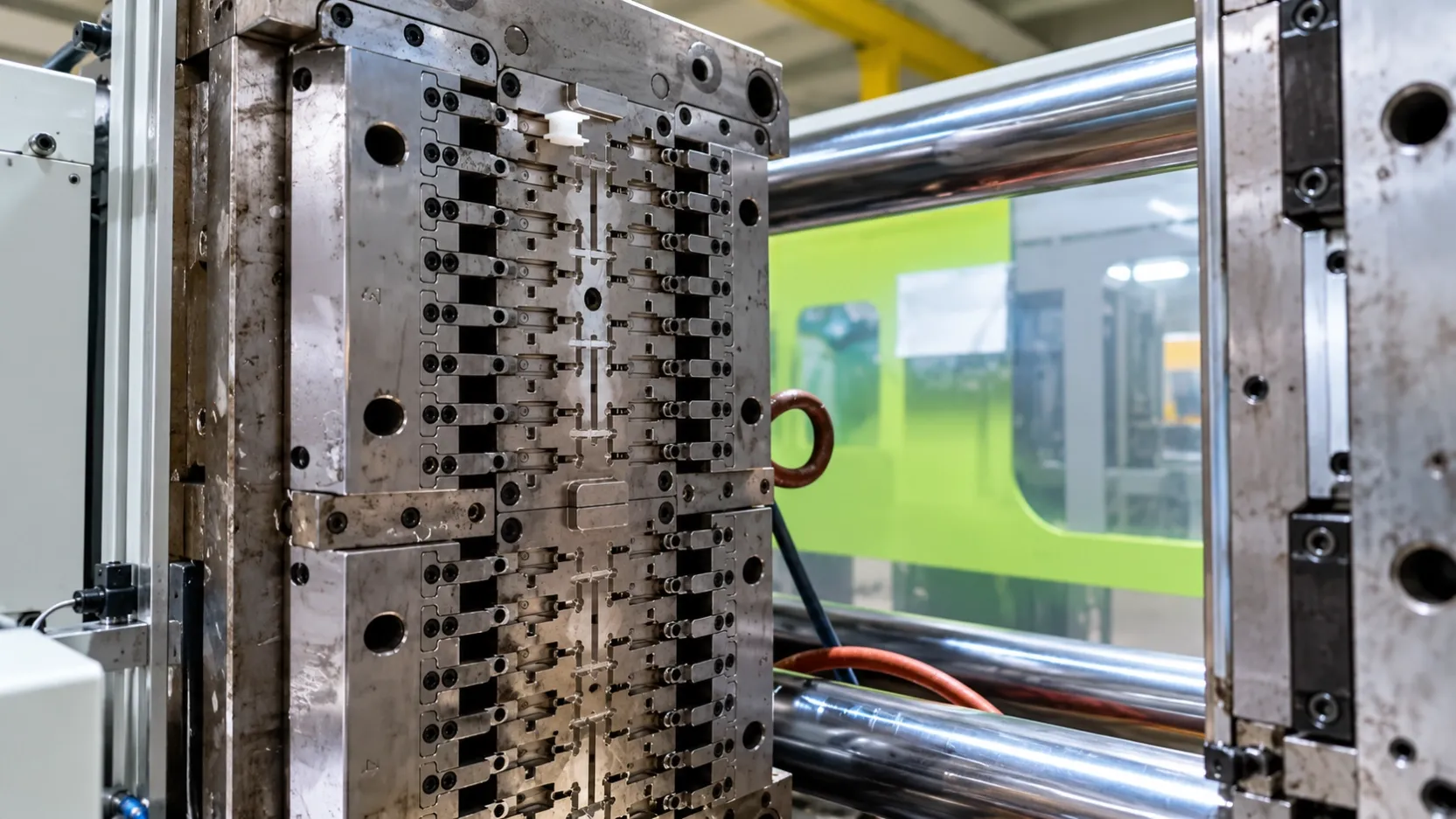
Multiple inspection regions can also be configured for different areas of the mold.
This is useful for multi-cavity and precision molds.
Why Camera-Based Detection Helps
Traditional mold protection functions mainly rely on machine position, pressure, or resistance.
Very small plastic parts or runners may not always create enough resistance to trigger protection early enough.
A camera-based mold monitoring system checks the mold visually before physical interference happens.
This provides an additional level of protection for valuable molds and automated production.
Suitable Applications
Mold monitoring systems are commonly used for:
- precision injection molding
- insert molding
- connector molding
- medical plastic components
- automotive parts
- electronic components
- multi-cavity molds
- robot take-out systems
These applications often require stable production and reliable mold protection.
Conclusion
NG detection helps identify abnormal mold conditions before the next mold-closing cycle.
By detecting stuck parts, runners, incomplete ejection, robot pick-up failures, and other abnormalities, a mold monitoring system can help reduce mold damage risk and improve production stability.
Need to evaluate a mold monitoring solution for your application?
Send us your mold photos, number of cavities, product size, molding cycle time, and machine configuration. We can help recommend a suitable monitoring setup.